
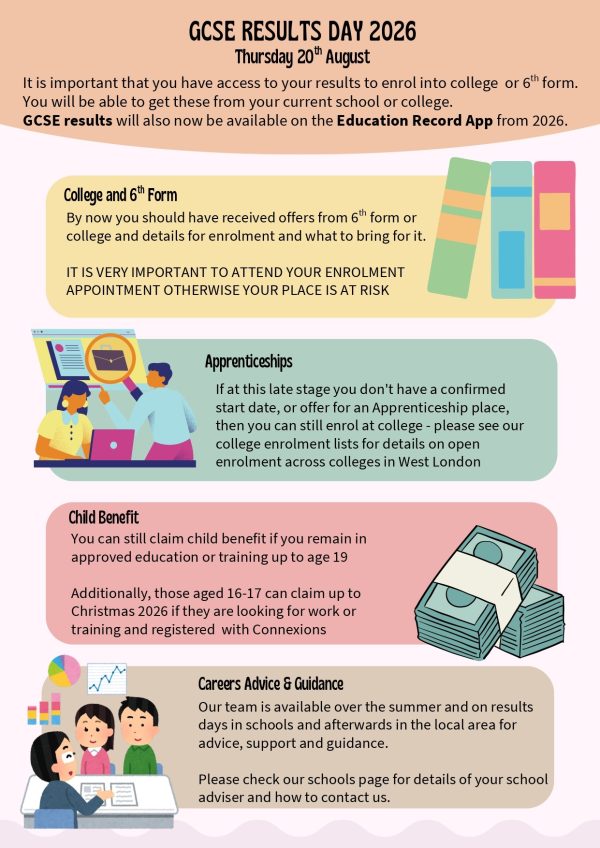
Further Education
Further Education (FE) colleges provide courses in local areas that align with future job opportunities. They offer academic, vocational, technical, and professional qualifications informed by labour market needs and employer partnerships.
FE colleges cater to learners of all ages (16–60+), though most are 16–18. Colleges vary insize and specialism and offer courses from entry level (no GCSEs required) up to higher qualifications such as HNCs, HNDs, and degrees.
Compared to school, FE colleges are more adult environments, encouraging independence while still offering support, including parental communication. Full-time study is typically
around 16 hours per week, allowing time for part-time work, though students must complete coursework and may attend more hours if studying English and maths.
Further education and sixth form colleges offer a wide range of courses for young people, at
all levels of ability. The usual progression steps are:
- Pre-entry level
- Entry level 1,2,3
- Level 1 (GCSE 1-3)
- Level 2 (GCSE 4 and above)
- Level 3 (A Levels, BTEC, NVQ and T levels)
Attend open days for local colleges to find out more about the colleges you are interested in. It is also important to remember to check establishments’ websites or give them a call to double-check the application process.
T Levels
T Levels are Level 3 qualifications, equivalent to three A Levels, taken after GCSEs as an alternative to traditional academic routes. Introduced in 2020, they are two-year courses designed with employers to ensure students gain skills relevant to specific industries.
They combine classroom learning with a substantial industry placement of at least 315 hours (around 45 days), giving students real workplace experience alongside their studies. In the classroom, students learn core theory, technical knowledge, and practical skills linked to their chosen career area.
T Levels suit students who want to develop their vocational skills in a more career-focused pathway, preparing them for skilled employment, apprenticeships, or higher education. They carry UCAS tariff points, are recognised nationally, and help develop both academic understanding and hands-on experience needed for progression.
What you can expect if you opt to do a T-Level:
80% of your course will be classroom based
20% of the course will be an industry placement (at least 45 days).
Useful Websites
Find out more about T Levels: Introduction of T Levels – GOV.UK
Search T Level providers: T Levels | The Next Level Qualification
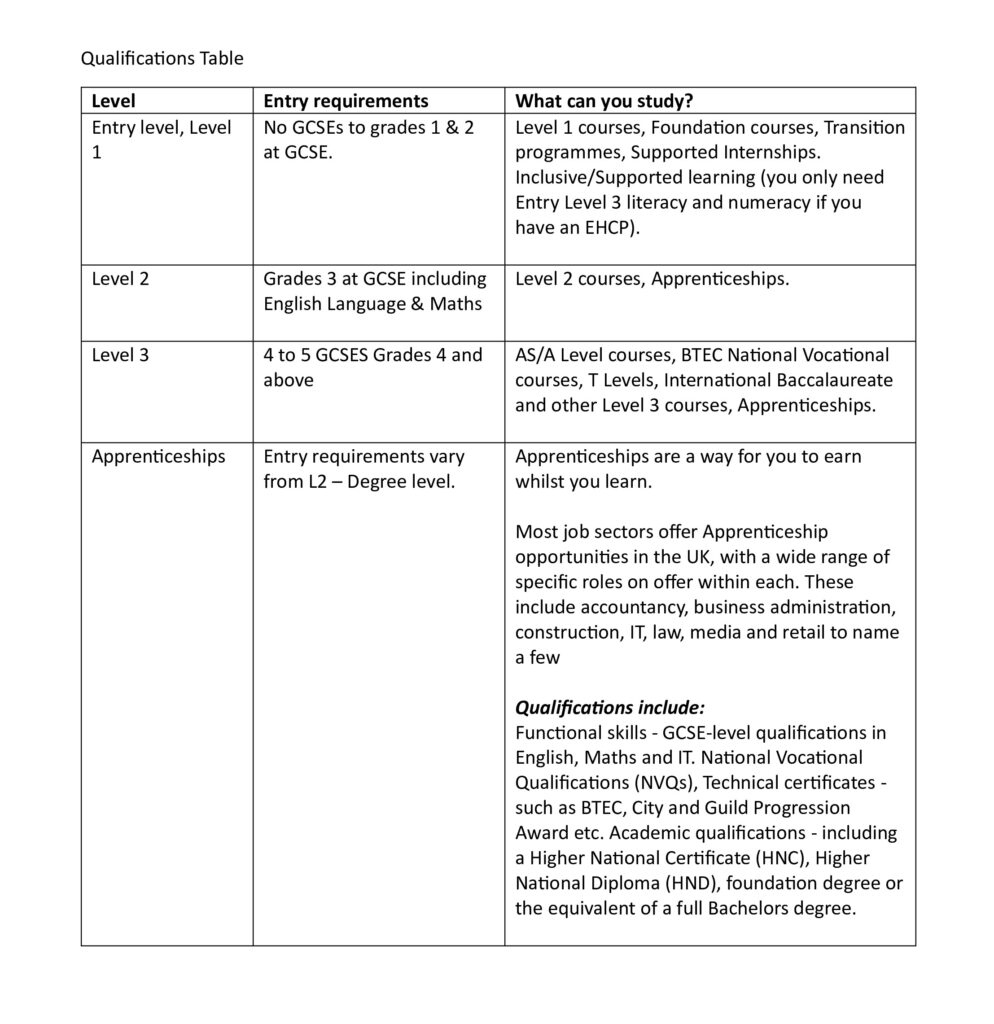
Apprenticeships & Training
An apprenticeship is a real paid job where individuals (aged 16+) learn a skilled role while working alongside experienced staff. This gives you the opportunity to learn from people already in the workplace and you will be working towards qualifications that are relevant to your job. Apprentices are employees, earning a salary and are entitled to paid holidays and sick pay. You will get paid at least the National Minimum Wage for Apprentices. On average, Apprentices can earn between £160.00 – £190.00 a week and over time your wage will increase.
Apprentices gain real workplace experience, while spending at least 20% of their time in training – often at a college, training centre, or in the workplace.
Apprenticeships combine practical work with learning, helping develop both job-specific skills and employability skills such as teamwork, communication, and problem-solving. They can take 1–5 years to complete and are available at all ages. Some apprenticeships will require an assessment at the end of the programme to assess the apprentice’s ability and competence in their job role.
At the end, you will a gain nationally recognised qualification, ranging from GCSE-level functional skills to higher-level awards such as NVQs, BTECs, HNCs, HNDs, and even degree-equivalent qualifications.
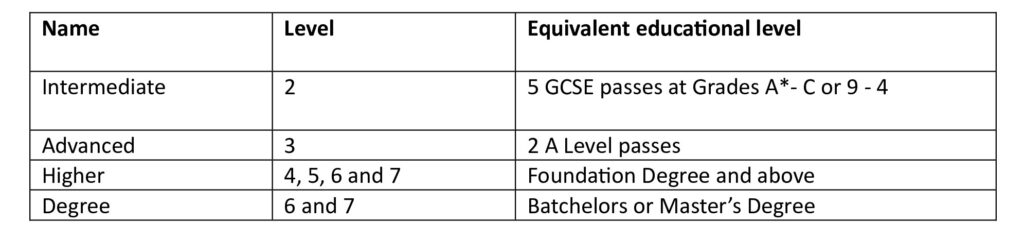
How do you apply?
At any one time there are between 12,000- 20,000 apprenticeship vacancies available online in a variety of careers and industries across England.
Visit Find an apprenticeship – GOV.UK or Work Ealing Apprenticeship Vacancies – Ealing and Local Boroughs
You can search by keyword (job role, occupation type or apprenticeship level) and by
location.
Once the right job comes up, you can simply register on the website and follow the step-by-step instructions to apply for the role.
If you are not quite ready for an apprenticeship or job, you could try a traineeship with a local employer to gain valuable work experience and the opportunity to improve English & Maths if needed. Please speak to a careers adviser for more information on local Traineeships.
To successfully apply for an apprenticeship, you must
- Be 16+ by the end of the summer holidays.
- Not be studying full-time.
- Be eligible to live and work in the UK.
What’s the difference between T levels and an apprenticeship?
T levels differ from an apprenticeship because an apprenticeship is usually 80% on-the-job and 20% in the classroom and is more suited to those who know what occupation they want to pursue, want to earn a wage, and learn at the same time and are ready to enter the workforce at age 16.
Whereas studying for a T level is 80% in the classroom and 20% in the workplace and is for people who know the type of industry they want to go into but not the exact job they want.
Training
Training Providers (or independent training providers) deliver vocational courses and training for young people and adults. Although not government-run, they are funded and regulated, with inspections from bodies like Ofsted to ensure quality and support comparable to colleges.
They offer programmes such as
- Apprenticeships,
- Vocational qualifications,
- Study programmes (16–19),
- Traineeships
Training providers also work closely with employers, particularly for apprenticeships,
supporting recruitment and training, either at the workplace or the provider’s site.
Foundation Learning Course or Study Programme
If you don’t quite feel ready for sixth form, college or an Apprenticeship, you might want to consider a Foundation Learning or Study Programme. Courses usually start at different times throughout the year.
You must be 16+ and you can expect:
- To develop your employability skills that will help you in the world of work.
- Courses to range anywhere from 1 week to up to 12 months.
Useful Websites for Apprenticeships:
www.amazingapprenticeships.com
www.apprenticeships.org.uk
www.getmyfirstjob.co.uk
Apprenticeships – Getting Started
All About School Leavers
Get My First Job
Careers Websites
Careerpilot – Finding an Apprenticeship – Preparation
Higherin – Higherin Apprenticeship Vacancies
Career Finder – https://careerfinder.ucas.com/
Alternatives to University – https://www.notgoingtouni.co.uk/
Prospects: Info & Advice – Advanced, Higher and Degree Level
https://www.prospects.ac.uk/jobs-and-work-experience/apprenticeships
Sector specific
https://www.qa.com/learners/become-an-apprentice/ IT Specific
Leep Group – IT & Business Apprenticeship – IT Tech / Business Related
NHS Careers – Apprenticeships – NHS
Civil Service Apprenticeship Vacancies – Civil Service
Go Construction – Info and Vacancies – Construction
Recruitment agencies
https://uk.indeed.com/
Reed Recruitment Apprenticeship Vacancies – National
NEET
NEET – what is it and what does it mean?
What do you need to know?
It is the law for 16-year-olds leaving school to participate in further education or training until they are 18.
There are two main options for 16-year-olds:
- to study full-time in a school, college or with a training provider
to get into full-time employment or volunteering (more than 20 hours a week) but this
must be combined with part-time study or training
Always remember… there is an option to suit everyone, we just need find it.
All young people are different, they learn in different ways and not every type of future learning opportunity will suit their specific needs.
Don’t forget that there are a lot of people around you who can help support you and your
young person to make these choices. You can talk to extended family, friends or teachers
and ask for their advice.
NEET Definition: not in education, employment or training
Department for Work and Pensions (DWP) and Department for Education (DfE) define
NEET as young people who are:
Not in any form of:
Education: Any formal course of education (full or part-time)
Employment: Any paid work (including part time or temporary work), self-employment. Employment does not include voluntary work or work experience
Training: Any formal employment related training course (full or part- time) and including traineeships, ‘Basic Skills’ and engagement programmes for the most disengaged. It does
not include Support Contract modules, CV writing etc
Who to contact?
If you or a young person you know is 16 to 18 years old and Not in Education, Employment
or Training (NEET) then please contact the Connexions team on
connexionsinfo@ealing.gov.uk for advice, guidance and support.
FINANCE
Parents Guide
Get advice to support a young person with their exam results.
As a parent or carer, you might be wondering what you can do to help on results day. Whether your child is feeling happy or disappointed, you’ll find lots of help and advice over the next few pages to help you support your child.
Pathways available
In Year 11 your child will have to make some big decisions about their future. The main
options are following either an academic, vocational or industry led pathway.
All young people in Year 11 must continue in education or training until at least their 18th birthday (although, in practice, many young people continue until the end of the academic year in which they turn 18). You will have many options including
- continuing at school
- going to college
- getting an apprenticeship
- completing a Study Programme or even starting your own business
To make a choice, they need to consider what they are interested in, what they are good at, what do they enjoy. They may want to think about their favourite subjects at school or what their current career ideas are. They will then need to find out about the opportunities out there, the different routes you can take, and how and when to apply. Remember to check establishments’ websites or give them a call to double-check the application process.
Disappointing results
If your child has not done as well as they’d hoped, there are still lots of options available.
They may not show it, but they probably still care about their results and your attitude
towards them and their grades.
It might help to:
- give yourself some time to reflect
- encourage your child to talk
- reassure your child there are always other options available
- focus on their next steps
Education & Training options
There are lots of education and training options available to young people with courses ranging from a variety of levels. Encourage your child to take time making their decision but be mindful that places fill up very quickly.
Make sure you understand the different routes available so your child can make an informed next step.
Planning a career
If your child has some ideas about what they would like to do, encourage them to do some research. They’ll need to consider the pros and cons based on their research and then put their plan into action.
To help your child plan their career, it’s important you:
- listen and try not to judge
- stay open to their ideas
- encourage them to explore all their options
- help them make choices based on their goals and abilities, not what you think they should do
Ideas for careers
If your child has no idea what kind of career they might like to do in the future, it can make it difficult to know what to do next.
Talk to your child about jobs that interest them. You can be a positive influence on their choices.
You can encourage them to:
- answer questions to help them work out what careers they could enjoy doing
- explore careers to find out more about careers they are interested in
- speak to one of our Connexions career’s advisers
Help a young person make career choices | National Careers Service
Grades explained
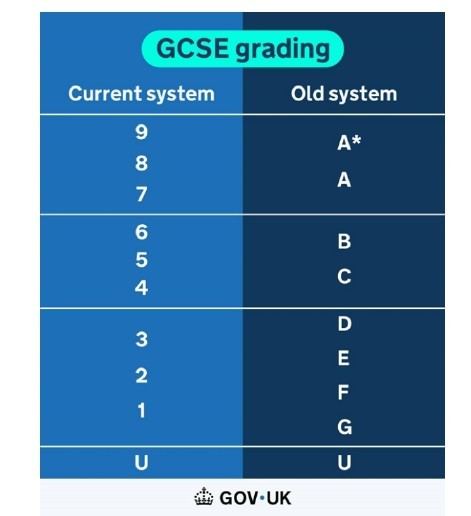
GCSEs in England have been graded on a 9 to 1 scale since 2017. This replaced the previous A* to G scale. The highest grade is 9, the lowest is 1, and U means “ungraded”.
Useful Websites
Careers
Watch video clips of professionals talking about their experience of work and
apprenticeships: www.careersbox.co.uk
Ideas to get you thinking about your future career and how to get there – www.icould.com
Education
Helping young people make informed decisions about work, study or training:
www.themix.org.uk/work-&-study
Information about courses across the London region: www.ucas.com/further-education
T-Levels
More information about T levels can be found on our further education section but please
also check www.tlevels.gov.uk
Looking for work
Employment 4 Students www.e4s.co.uk
Get My First Job www.getmyfirstjob.co.uk
Student Job UK www.studentjob.co.uk
Finance
Financial support to help young people stay in education or training post-16:
www.gov.uk/1619-bursary-fund
General information and advice about money: www.moneyhelper.org.uk/
Volunteering
www.cvalive.org.uk/volunteering
www.doit.life/volunteer
www.redcross.org.uk/get-involved/